Most kitchens waste more space than they use, even though 76% of homeowners now add specialty built‑in features like pantry cabinets and hidden storage during renovations. We design small and busy kitchens every day, and we know that a few smart storage ideas can create the feeling of a much larger room without changing the footprint.
Key Takeaways
| Question | Short Answer |
|---|---|
| What are the best space-saving kitchen storage ideas for a small home? | Focus on vertical storage, pull‑out cabinets, hidden waste drawers, and multi‑purpose furniture that doubles as storage. |
| How do I organize a tiny kitchen with no pantry? | Use pull‑outs, cabinet organizers for trays and spices, and concealed storage zones similar to the ideas we use in narrow living rooms in our small-space layout guide. |
| Are pull-out cabinets worth it for saving space? | Yes, 60% of renovators now add pull‑out storage because it brings everything to you and uses the full cabinet depth efficiently. |
| How can I keep my counters clear without adding more cabinets? | Reimagine shelves, use trays, and dedicate zones the same way we style compact surfaces in our small‑space table guide. |
| What hidden storage ideas make a kitchen feel bigger? | Concealed pantries behind cabinet doors, pull‑out waste drawers, and storage built into seating or islands keep visual clutter low. |
| Can living-room style tricks help in the kitchen? | Yes, we borrow layout, decluttering, and vertical storage techniques from rooms featured in our small‑room refresh guide. |
1. Use Vertical Layout Principles To Maximize Every Inch
We approach kitchen storage the same way we plan narrow living rooms, by protecting floor space and building storage upwards. The goal is to keep circulation clear while every wall, corner, and niche works harder for you.
In a compact kitchen, think of walls as your primary real estate. Tall wall cabinets, stacked shelving, and narrow vertical pull‑outs can replace bulky low units that crowd walking paths.
Borrowing Small-Space Layout Tricks From Living Rooms
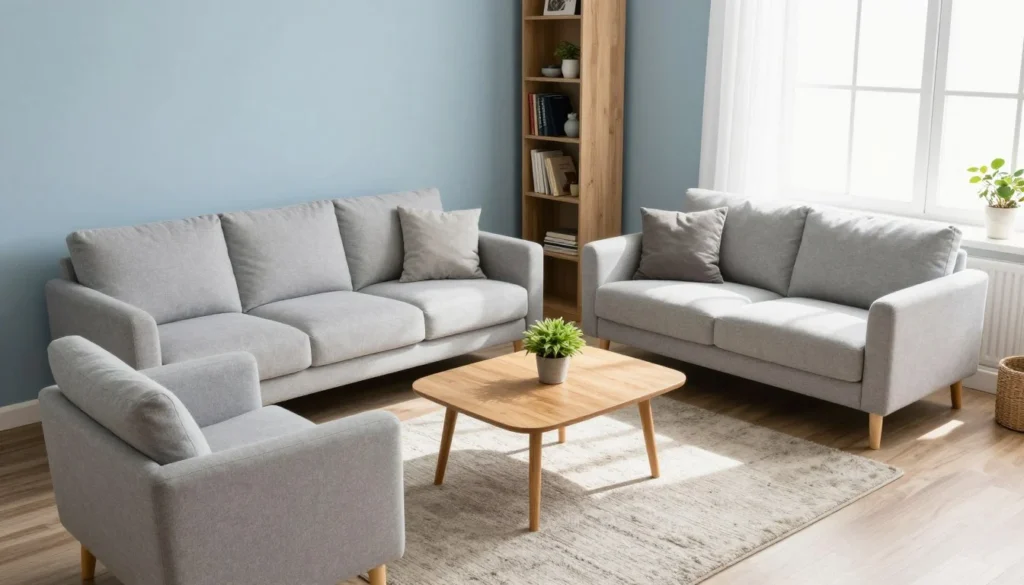
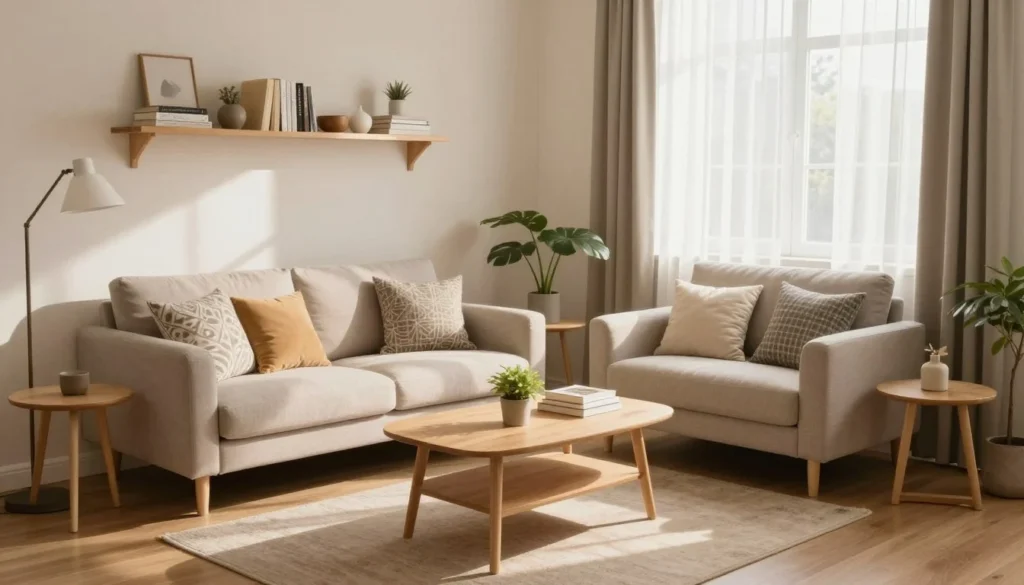
Our small living room layouts focus on a central clear zone with storage wrapped around it, and this works beautifully in a kitchen. You can keep the prep and cooking zone open, while storage flanks the space in floor‑to‑ceiling runs.
In practice, this means using tall pantry towers, slim broom cupboards, and vertical spice pull‑outs right beside your main work area rather than deep, awkward corner cabinets.
Plan Clear Walkways Around Storage Zones
We always start by measuring the distance needed between cabinets, appliances, and any island or table so people can pass comfortably. Once the walkway is protected, every remaining wall segment becomes a candidate for vertical storage.
This mindset helps you decide where to install tall cabinets, shallow shelves, or even a narrow pantry pull‑out beside the fridge, without sacrificing movement.
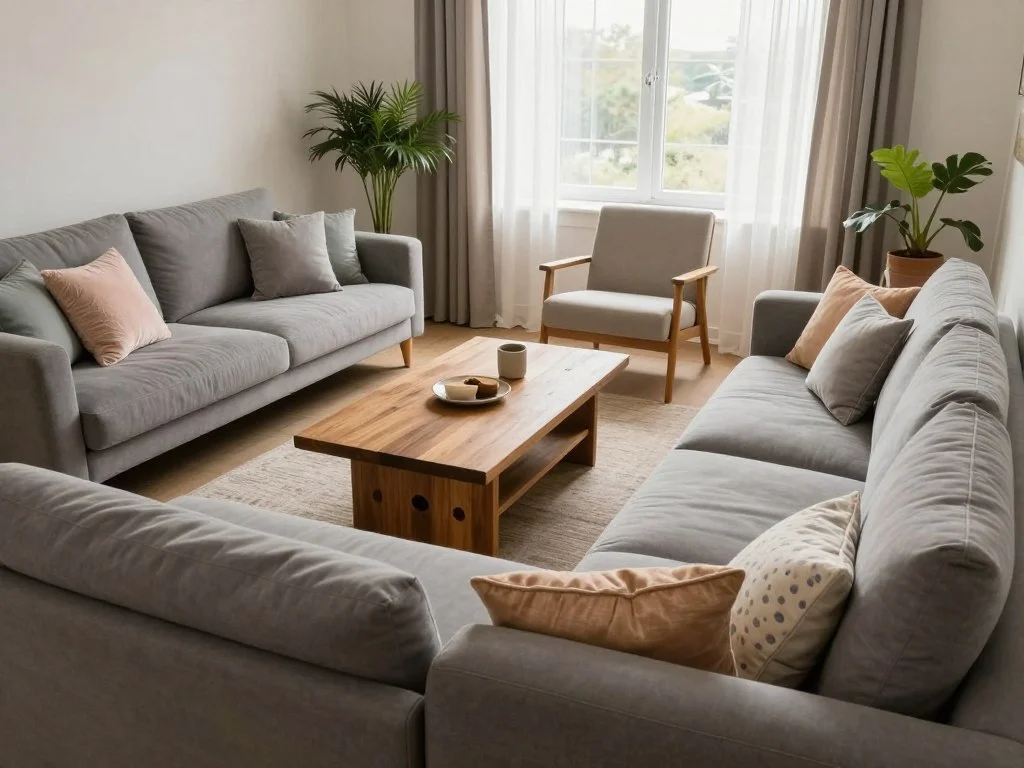

2. Install Pull-Out Cabinets To Use Full Depth
Deep cabinets are notorious for wasted space because items get lost at the back. Pull‑out storage solves this problem by bringing the contents to you in one smooth motion.
According to recent renovation data, 60% of kitchen renovators now incorporate pull‑out cabinets into their designs, which shows how mainstream this idea has become.
High-Impact Pull-Out Zones
We recommend starting with the cabinets you open most often. Typical high‑impact pull‑outs include:
- Spice pull‑outs beside the stove
- Tray and baking sheet organizers near the oven
- Pull‑out baskets for produce or snacks in lower cabinets
- Slide‑out shelves in corner units
These turn hard‑to‑reach areas into organized, visible storage that makes cooking easier.
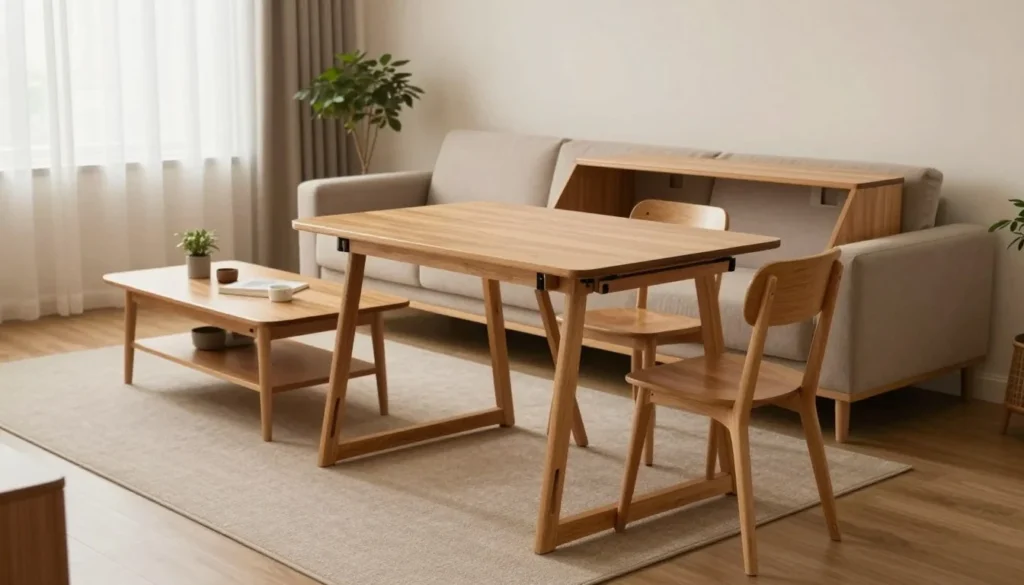
Dedicated Pull-Outs For Everyday Categories
Research shows that 55% of renovators design cabinets or drawers just for cookie sheets and trays, 44% for spices, 41% for cutlery, and 38% for microwaves. You can mirror this logic in any kitchen, regardless of size.
Instead of mixing everything together, plan one pull‑out per category so you always know where each type of item lives.

3. Create a Concealed Pantry, Even In a Small Kitchen
You do not need a walk‑in pantry to enjoy pantry‑level storage. A concealed pantry can hide in plain sight behind full‑height cabinet doors or wall panels that match the rest of your kitchen.
We often treat an entire wall as one continuous pantry zone, with pull‑out shelves and door racks behind clean, handle‑lined doors that keep the room looking calm.
Why Concealed Storage Visually Enlarges the Room
87% of homeowners prefer pantries concealed behind cabinet doors or panels, because it reduces visible clutter and makes the space feel larger. When labels, packaging, and small containers are out of sight, your eye reads the kitchen as simpler and more open.
In a narrow kitchen, this can be the difference between feeling boxed in or comfortably streamlined.
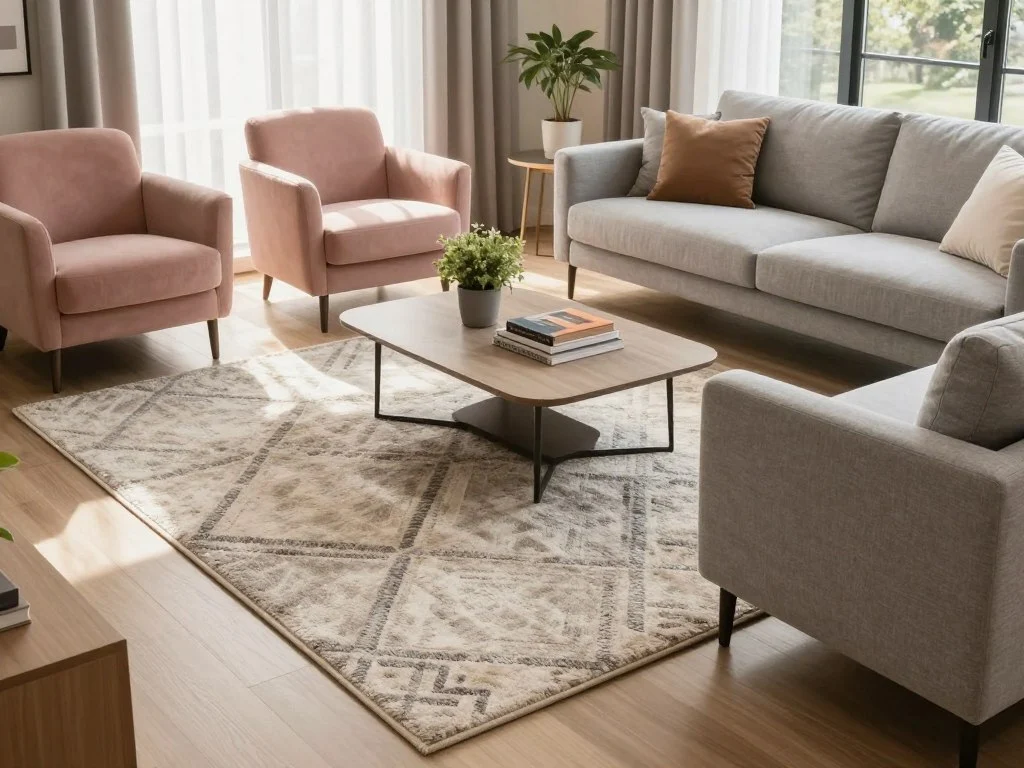
Smart Ways To Build a Pantry Wall
If you are upgrading cabinets, remember that 68% of renovators replace all cabinets so they can rework the layout around storage. You can allocate a full run of tall units for dry goods, bulky appliances, and cleaning items, then keep base cabinets for daily cookware only.
Inside the pantry wall, use a mix of shallow shelves, pull‑outs, and bins so nothing gets buried.
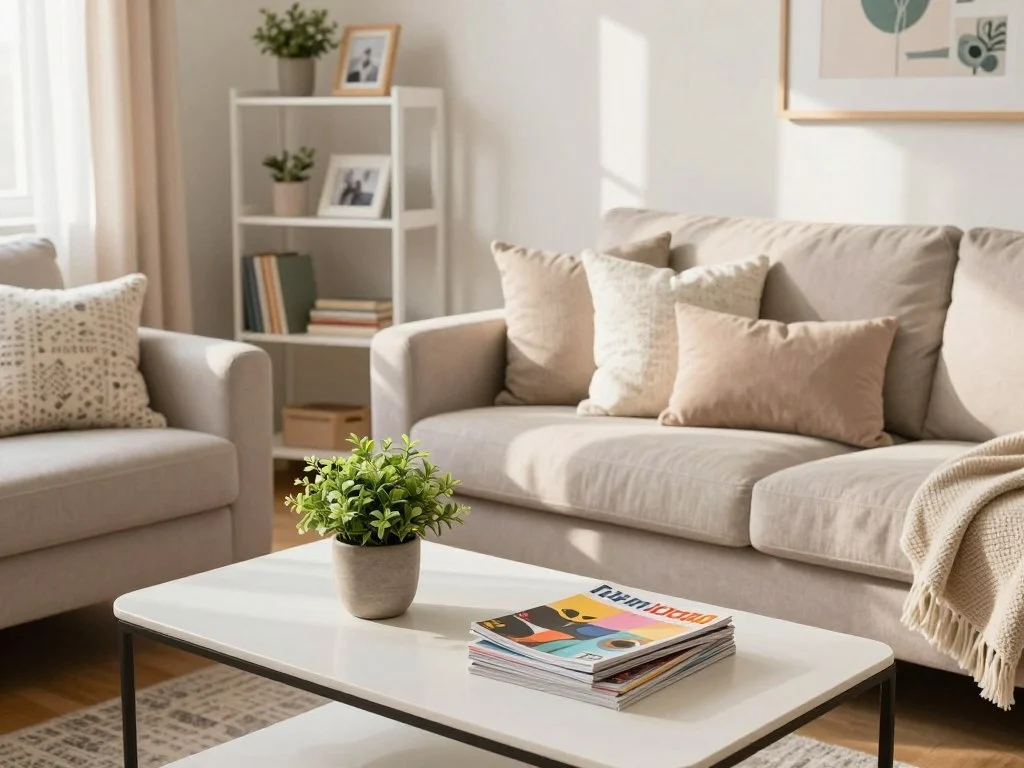
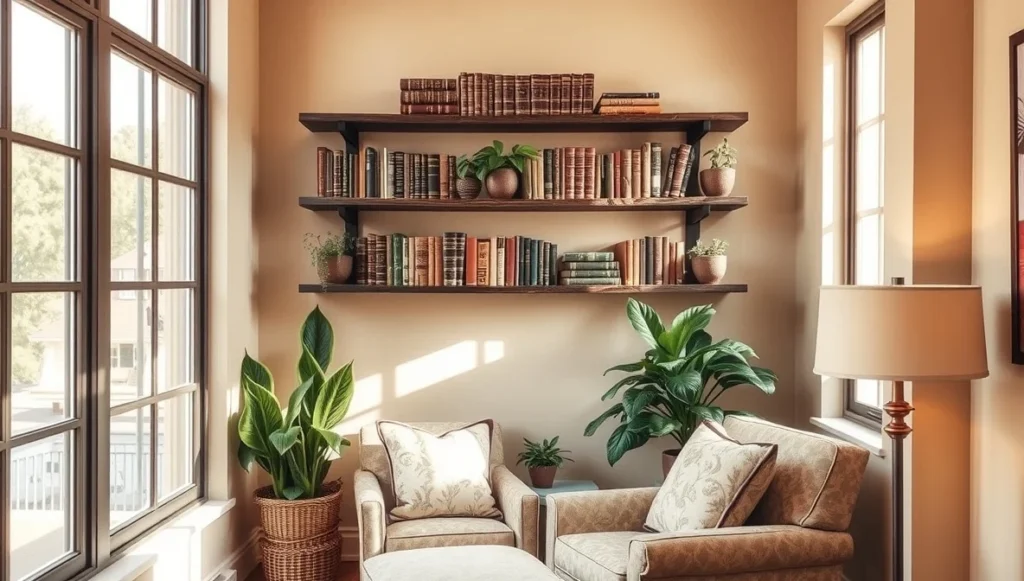
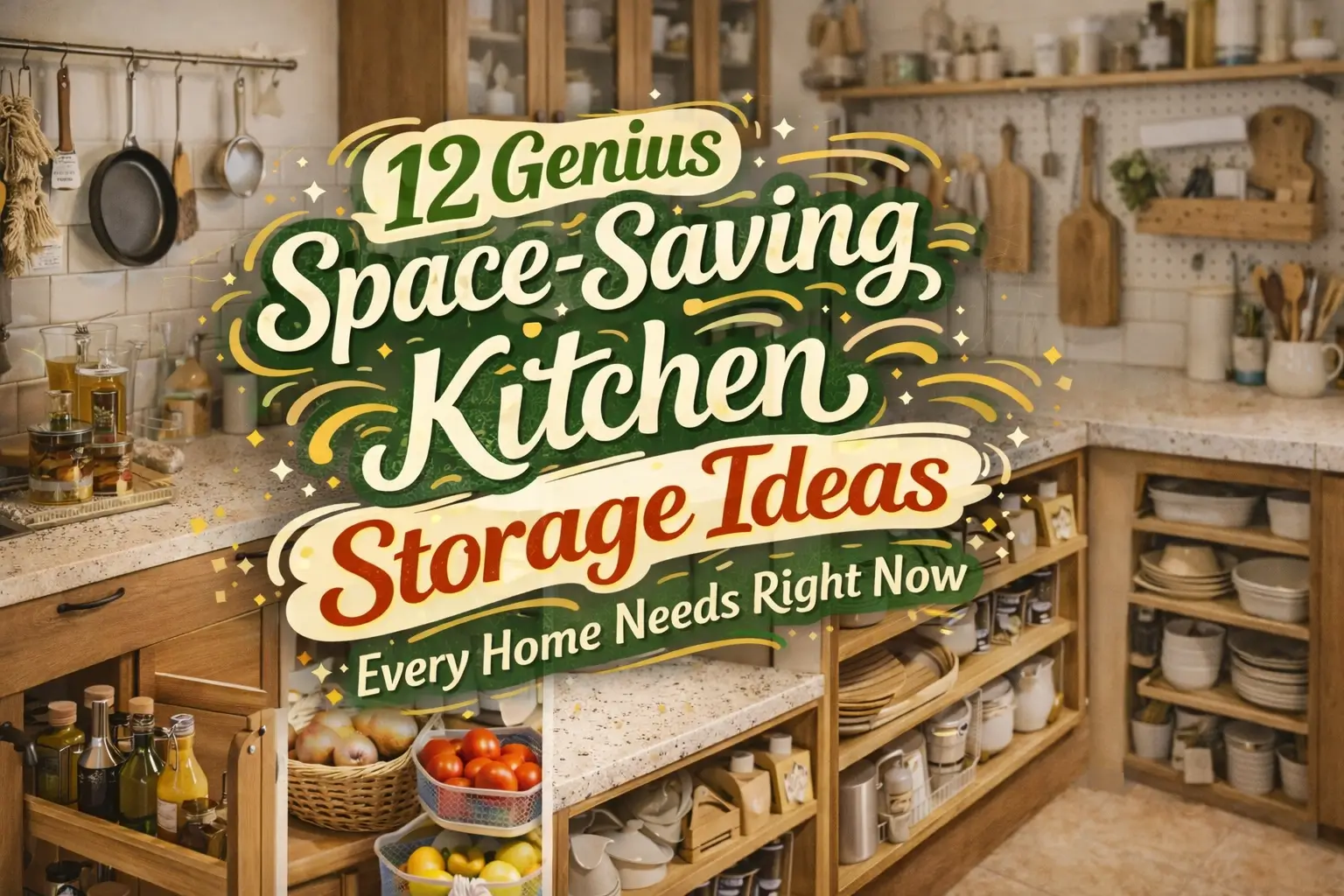
Discover simple, space-saving kitchen storage ideas that fit any home. This infographic highlights 12 clever solutions to maximize cabinets and counters.
4. Add Hidden Waste And Recycling Drawers
Freestanding bins take up valuable floor area and visually clutter a small kitchen. A pull‑out waste drawer keeps everything contained inside a cabinet while remaining easy to access.
In recent studies, 66% of renovators added pull‑out waste or recycling drawers, which shows how essential this feature has become for modern kitchens.
Where To Place Pull-Out Bins
We usually position waste drawers right under or beside the main prep area. This lets you sweep scraps directly off the counter into the bin without crossing the room.
If you sort multiple streams like general waste, recycling, and compost, consider a triple‑compartment system in one drawer instead of three separate bins.

Benefits Beyond Space Saving
Pull‑out bins keep smells and visual clutter under control, which matters in open‑plan homes where the kitchen flows into living areas. They also reduce tripping hazards because there is no loose bin to bump into.
For families, this solution simplifies recycling habits since everything is clearly separated but still hidden away.


5. Turn Seating And Islands Into Storage Workhorses
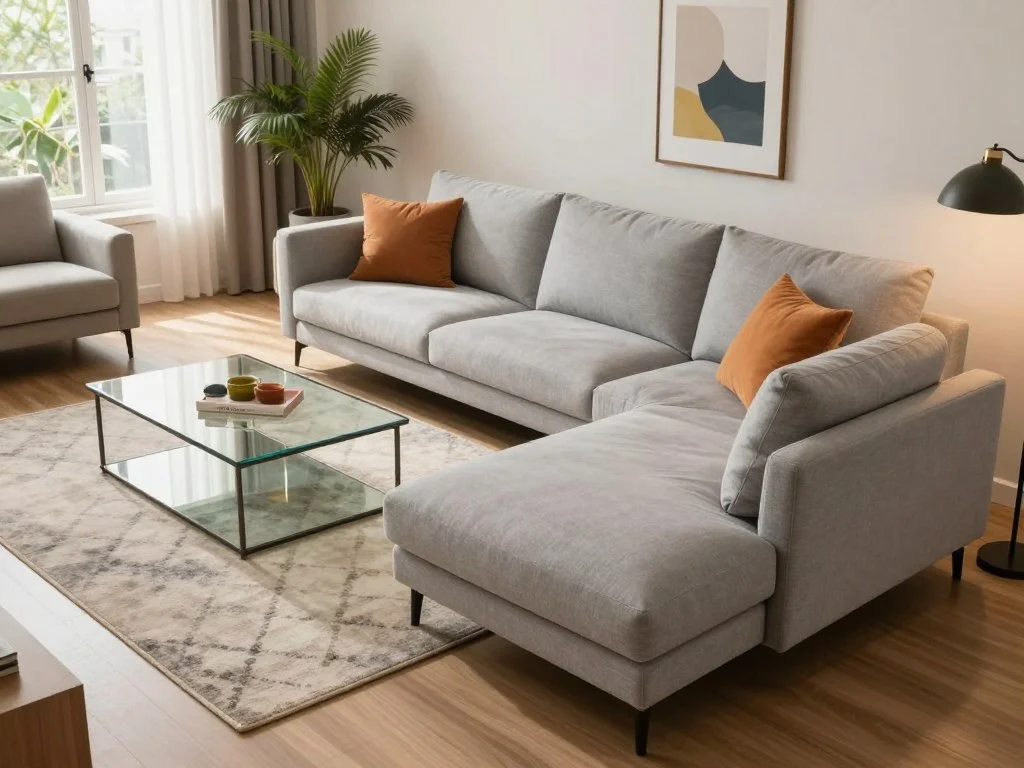
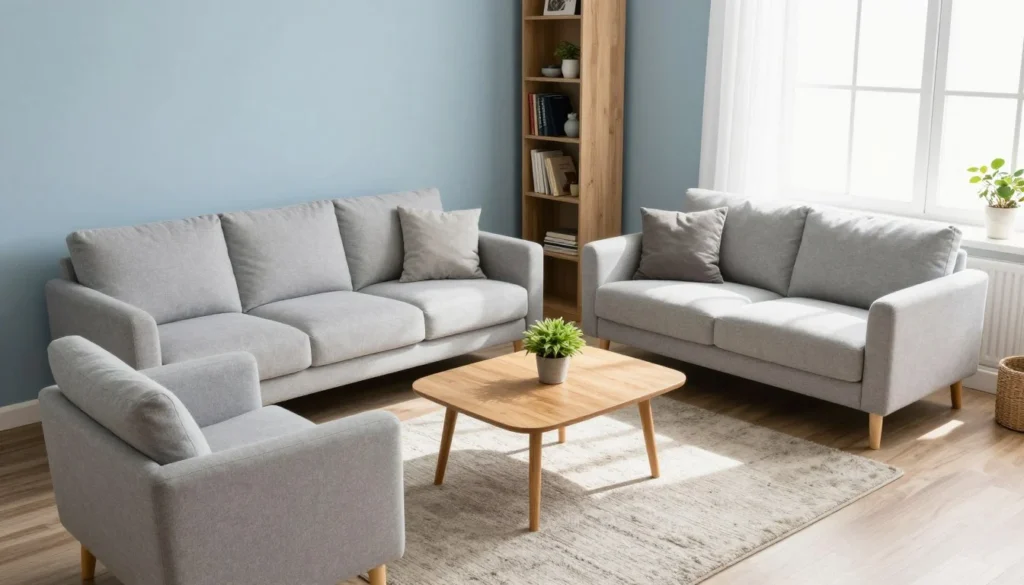
Multi‑purpose furniture is one of the easiest ways to add storage to a small kitchen. We often specify storage ottomans, benches, or island bases with hidden compartments in open‑plan layouts.
The same logic that makes a storage ottoman practical in a living room works beside a kitchen table or breakfast nook.
Multi-Functional Ottomans And Benches
Storage ottomans can hold table linens, small appliances, or kids’ items while also providing extra seating. Tufted or upholstered benches with lift‑up seats offer similar capacity along a wall under a window.
In a studio or tiny apartment, a single storage bench can act as pantry overflow, pet zone, and seating in one footprint.
Islands With Closed And Open Storage
If your kitchen can fit an island or even a slim console, choose a model with shelves, cabinets, or drawers instead of a plain table. Closed storage hides less attractive items, while open shelves can hold baskets or displayware.
In a small footprint, we prefer narrow islands with storage on one side and seating on the other, so you gain both function and a dining spot.
6. Reimagine Shelving To Declutter Counters
Open shelving can either add visual chaos or solve it, depending on how you use it. We treat shelves as structured zones, not random storage.
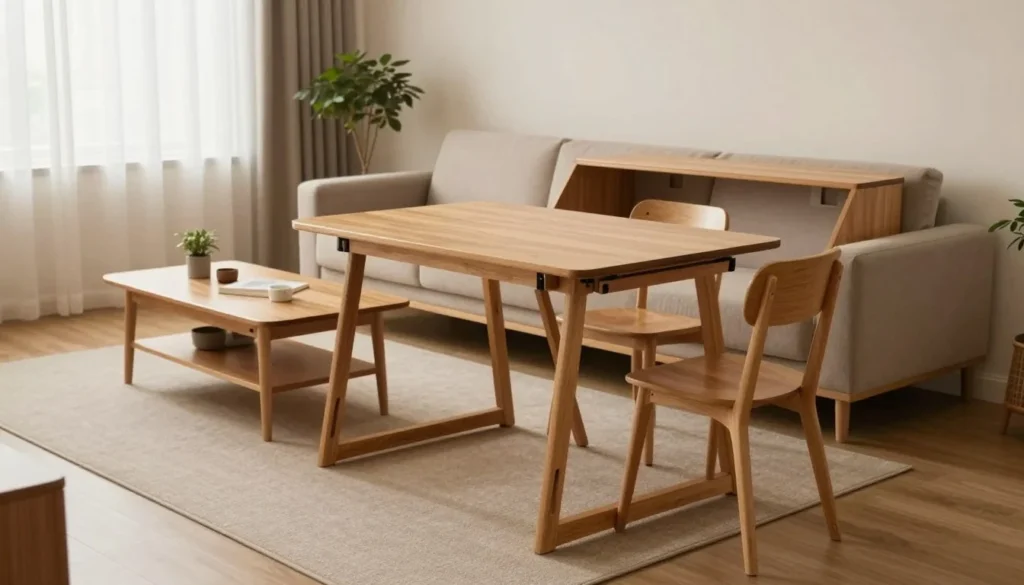
In our small‑room projects, we often reimagine shelving to carry the load that cluttered surfaces once held, and the same principle applies to cramped kitchens.
Use Shelves As Intentional Stations
Dedicate each shelf run to a single purpose, like daily dishes, glassware, or breakfast items. This creates clear “stations” so every family member knows where to find what they need.
To keep the look calm, mix closed baskets for small items with a few neatly stacked plates or bowls.
Free Up Counter Space With Wall Storage
Hooks, rails, magnetic strips, and compact ledges can move items off the countertop and onto the wall. This works especially well for knives, utensils, cutting boards, and mugs.
Even a single rail with S‑hooks can replace a cluttered utensil jar, which instantly makes your prep zone feel more spacious.
7. Zone Your Kitchen Like a Compact Living Space
Our narrow living room layouts rely on clear zones for seating, storage, and circulation, which keeps the room efficient. You can apply the same zoned thinking to a kitchen of any size.
Instead of treating the kitchen as one big catch‑all, break it into smaller activity zones with the right storage near each one.
Common Kitchen Zones To Plan Around
We typically plan storage around these zones:
- Prep zone: knives, boards, mixing bowls, frequently used spices
- Cooking zone: pots, pans, cooking utensils, oils
- Cleaning zone: dishwasher, bins, cleaning supplies, dish storage
- Beverage zone: mugs, glassware, coffee or tea, water station
Once the zones are clear, you can assign each drawer and cabinet to support one zone only.
Why Zoning Saves Space
When everything needed for one task lives within arm’s reach, you avoid walking back and forth across the room. This is especially helpful in galley or U‑shaped kitchens, where unnecessary movement makes the space feel smaller.
Zoning also keeps drawers organized, because you are less likely to mix items from unrelated tasks together.

8. Design a Compact Beverage Or Coffee Station
Dedicated beverage areas are no longer a luxury. 85% of renovators now plan some form of beverage station, from a simple coffee corner to a full wet bar.
By concentrating all drink‑related items in one small area, you free up the rest of the kitchen for cooking storage.
Building a Coffee or Beverage Nook
Choose a small section of counter near an outlet and assign it completely to drinks. Store mugs, pods or beans, tea tins, and syrups in the cabinet above or drawer below.
If you are short on cabinet space, a shallow shelf or rail with hooks can hold mugs while jars line a single ledge.
Benefits For Busy Households
A beverage zone keeps guests and family members out of the main cooking path. People can make coffee, pour water, or grab glasses without crossing your prep area.
This small change reduces crowding and makes even a compact kitchen feel calmer during busy mornings.
9. Use Lighting To Make Storage Feel Bigger And Brighter
Storage is easier to use when you can see it clearly. Upgrading lighting is one of the simplest ways to make cramped cabinets and counters feel more generous.
54% of renovating homeowners add extra lighting in the kitchen, regularly pairing it with storage changes so cabinets and work zones are better lit.
Targeted Lighting For Storage Zones
We focus lighting on three areas: under‑cabinet strips for counters, interior cabinet lights for deep or tall units, and accent lighting over islands. Under‑cabinet lighting is especially useful for small kitchens because it eliminates shadows on the worktop.
Inside tall pantry units, small LED strips or puck lights can help you quickly identify items on higher shelves.
How Lighting Supports Space-Saving Design
Good lighting lets you confidently use deeper cabinets, higher shelves, and tall pantry units without fear of losing items in the dark. It also highlights clean cabinet faces and reduces visual heaviness from tall storage.
In small homes, this is essential because you are often relying on every vertical inch available.
10. Keep Surfaces Tidy With Trays And Defined Drop Zones
Even the best cabinet system will feel inadequate if counters are always full. We use trays, baskets, and defined drop zones to control everyday clutter in both living rooms and kitchens.
This is a behavioral storage trick rather than a structural one, but it has a big impact on how spacious your kitchen feels.
Use Trays To “Contain” Active Items
On the counter, a simple tray can hold oils, salts, and utensils near the stove, while another tray can corral mail or keys near the entry. When you want to deep clean or clear the surface for guests, you can move the whole tray at once.
We apply this same concept on coffee tables and sideboards, and it translates perfectly to small kitchens.
Set Clear Rules For What Lives On The Counter
We advise clients to choose a small set of items that are allowed to stay out, usually the coffee machine, one utensil jar, and one cooking tray. Everything else should have a cabinet or drawer home.
These boundaries stop clutter from creeping in and help you quickly reset the kitchen after each use.
Conclusion
Space-saving kitchen storage is less about having a large room and more about making deliberate choices. When you use vertical layout principles, pull‑outs, concealed pantries, hidden waste drawers, multi‑purpose furniture, smart shelving, clear zones, beverage stations, better lighting, and defined drop zones, any kitchen can feel organized and efficient.
As we see in our work across small living rooms and compact homes, structure and intention always beat square footage. Start with one or two of these 12 ideas, adapt them to your layout, and you will notice that both your storage capacity and daily comfort increase quickly.