

At-home coffee styling searches are up more than 1,000%, and we see more of our readers turning their living rooms into comfortable, cafe-inspired spaces where the coffee table becomes the true centerpiece. In this guide, we walk through the best coffee tables and smart alternatives that actually work in real homes, especially smaller living rooms.
Key Takeaways
| Question | Short Answer |
|---|---|
| What is the best coffee table for a small living room? | Compact, multi‑functional tables or ottomans with storage work best, especially when you follow layout tips like those in our small living room layouts guide. |
| How important is size when choosing a coffee table? | Crucial. The table should be about two thirds the length of your sofa and leave at least 40–45 cm of clearance all around for traffic flow. |
| Are ottoman coffee tables a good idea? | Yes, especially in small or family homes. Our ottoman buying guide explains how to choose storage and fabric options that double as a coffee table. |
| Can I replace a traditional coffee table in a tiny room? | You can. In very tight spaces we often recommend poufs or nesting tables, paired with the layout ideas in our narrow living room sofa layouts. |
| What coffee table style works with my sofa and rug? | Match shape and scale. For example, our tips in rugs to match your sofa also apply to coordinating your coffee table finish and size. |
| How can I refresh my current coffee table setup cheaply? | Re‑style with trays, books, and plants, and follow the affordable ideas in our living room refresh guide. |
1. How To Choose The Best Coffee Table For Your Space
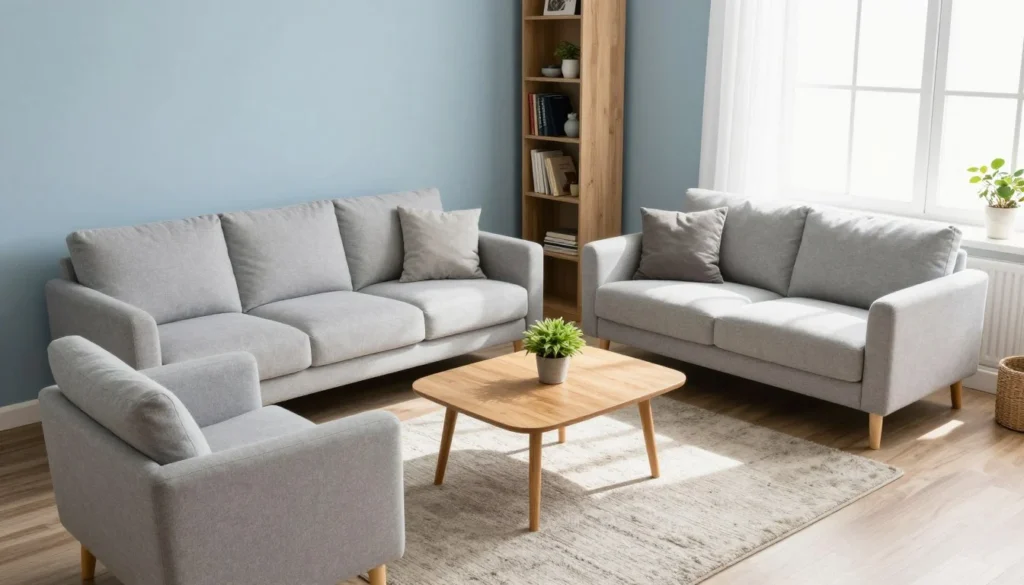
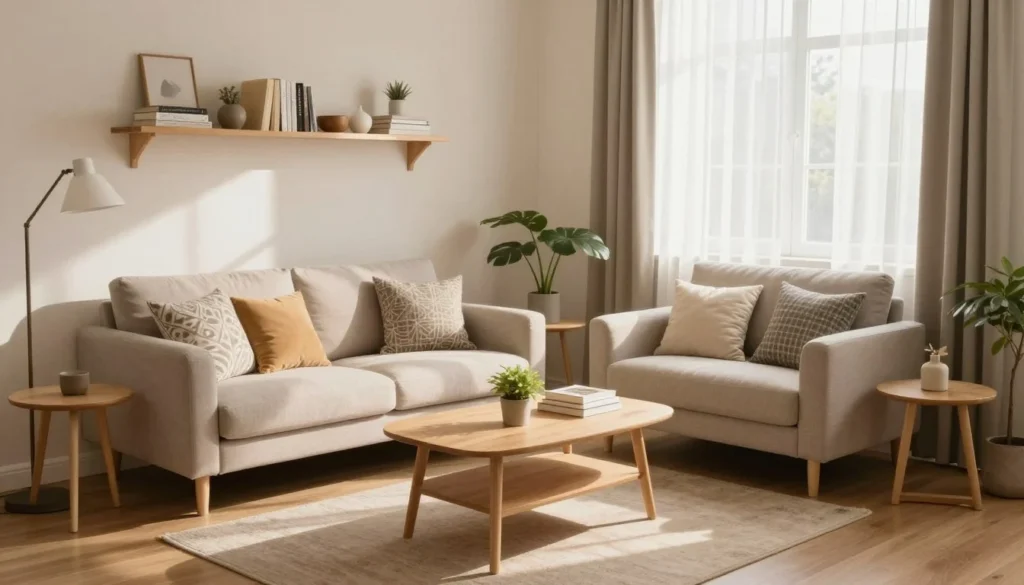
We always start with the room, not the table, because the best coffee table fits your layout, walkways, and seating height. A table that looks beautiful in a showroom will feel wrong at home if it blocks movement or sits too low against your sofa.
Measure the distance between your sofa and the TV unit or opposite seating, then carve out a central rectangle that still allows people to pass comfortably. In most living rooms, a coffee table 40–45 cm from the sofa front edge feels practical and relaxed.
- Length: Aim for about two thirds the length of your main sofa.
- Height: Roughly level with the seat height or up to 5 cm higher.
- Clearance: 40–45 cm all around for circulation.
- Function: Decide if you need storage, display space, or a work surface.
2. Best Coffee Tables For Small Living Rooms
In small living rooms, a bulky coffee table quickly becomes an obstacle, so we prioritise slim silhouettes, rounded corners, and pieces that do more than one job. Square coffee tables are becoming popular, but in tight rooms we often still suggest soft rectangles or ovals to avoid sharp corner collisions.
Look for narrow profiles combined with shelves or hidden storage so you gain surface and stash space in the same footprint. Open bases can also keep sightlines clear, which makes the whole room feel larger.
- Choose lighter finishes like oak or white in very compact spaces.
- Pair your coffee table with a slim console or wall shelves instead of bulky side tables.
- Consider a nesting set that tucks away when not in use.
3. Best Budget Coffee Tables For Stylish Living Rooms
We know many readers want the best coffee tables without spending a fortune, so we focus on pieces that offer good proportions and durable finishes at affordable prices. Even when you are on a budget, size and practicality matter more than elaborate detailing.
Simple wood or faux wood tables paired with a tray and a few decor accents can look surprisingly high end. Our budget living room projects often rely on re-styling, rather than constantly replacing, the main table.
| Budget-friendly Feature | Why It Matters |
|---|---|
| Laminate or veneer top | Keeps costs down while still resisting spills and scratches. |
| Open shelf | Adds storage so you do not need extra furniture. |
| Neutral finish | Works with different rugs and sofas if you refresh the room later. |
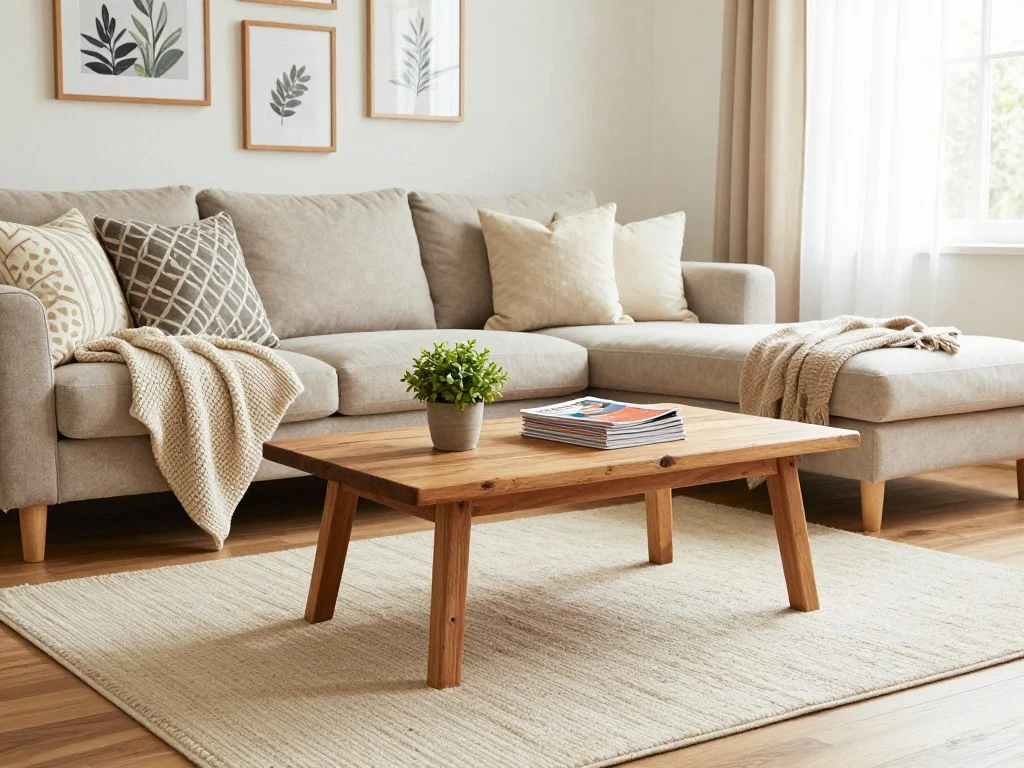
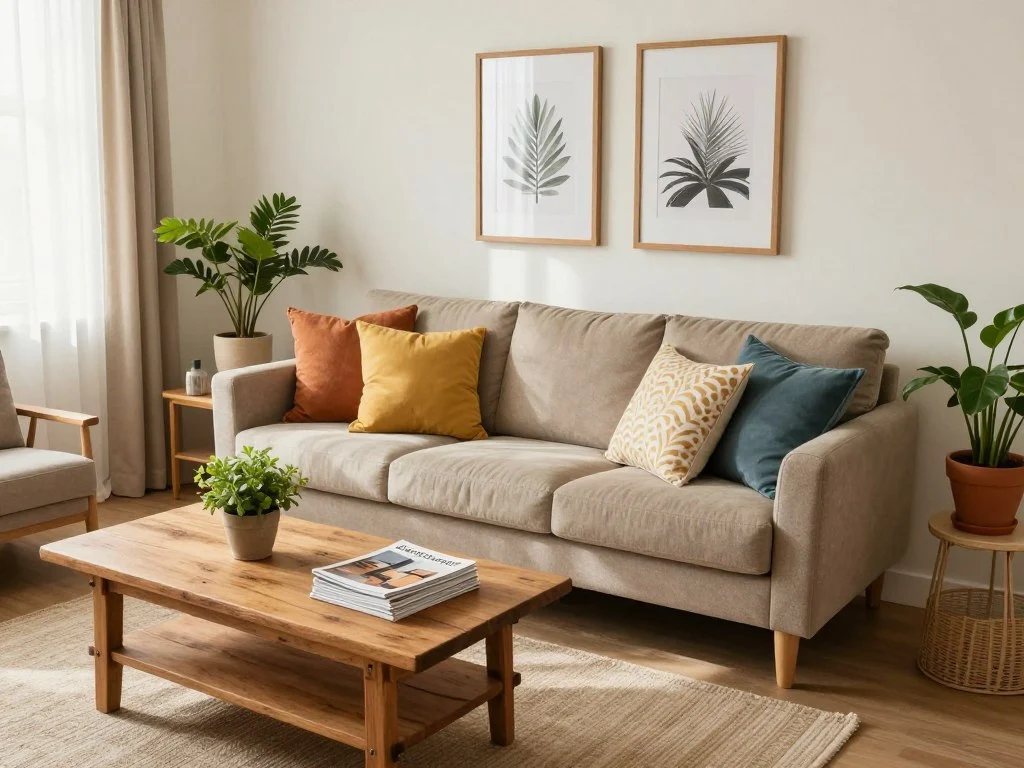
A quick visual guide to the five features that define the best coffee tables. Find the right balance of size, material, and storage for your room.
Did You Know?
Square coffee tables have surged in popularity, with Houzz data showing searches for square coffee tables up nearly 1.5x year-over-year.
4. Poufs As Flexible Coffee Table Alternatives
For very small living rooms, the best “coffee table” might be no table at all, but a set of sturdy poufs that can double as a surface when you need them. We often recommend large, flat-topped poufs used with a tray to create a stable place for drinks and books.
This approach is especially helpful in narrow rooms where a solid table would interrupt the traffic path. When guests arrive, you can slide the tray aside and instantly gain extra seating.
- Choose firm, structured poufs so a tray sits level.
- Use leather or tightly woven fabrics for easy wipe-down.
- Pair two poufs instead of one table for modular flexibility.
5. Ottoman Coffee Tables With Storage
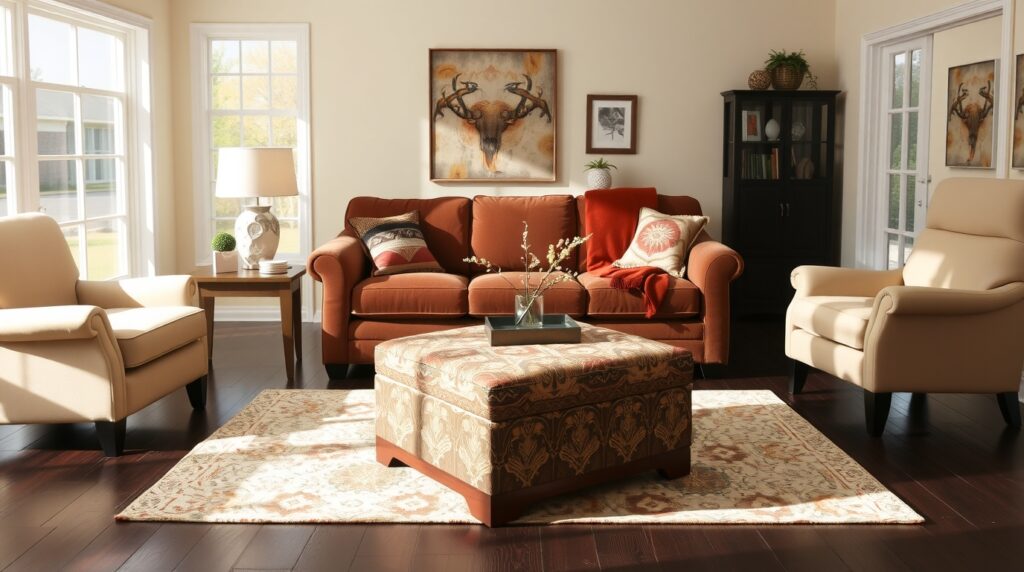
Ottoman coffee tables are some of the best choices for family homes because they are soft edged and often include generous hidden storage. You can store blankets, games, or remote controls inside, then style the top with a sizeable tray so it functions like a conventional table.
When we specify ottomans, we pay attention to upholstery durability and how easy it is to clean. Performance fabrics or treated leather cope better with coffee spills and everyday use.
- Look for lift-top or hinged lids if you need deep storage.
- Choose a rectangular ottoman for long sofas and a round one for sectionals.
- Use a tray at least 40 cm wide to create a stable hard surface.
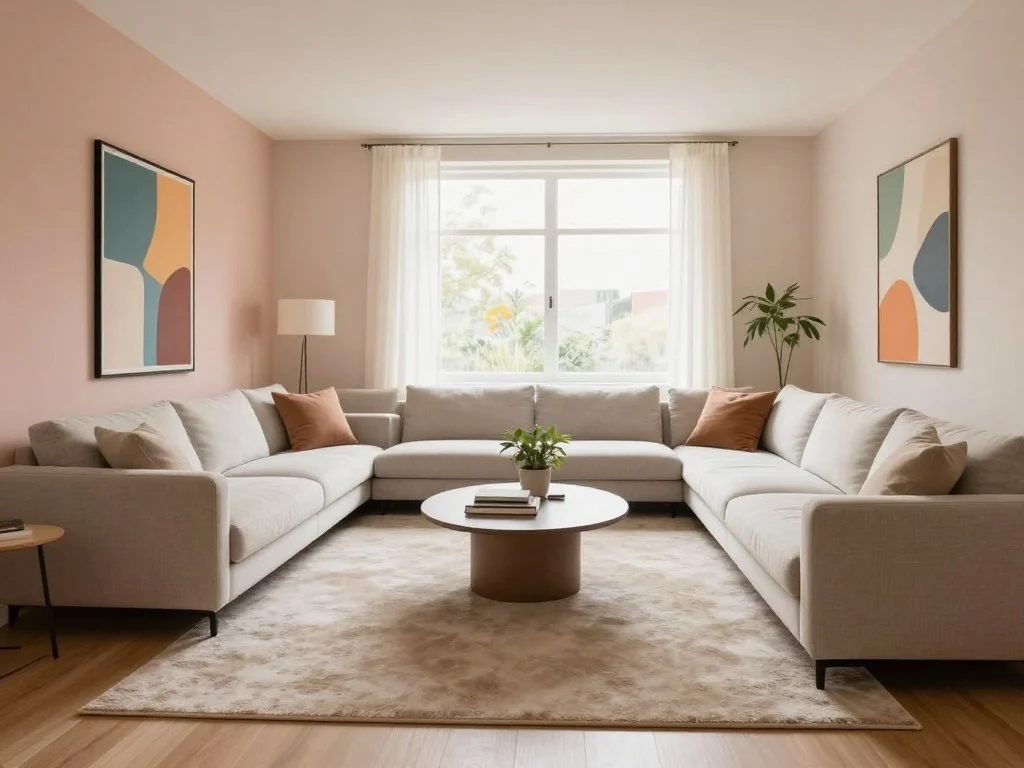
6. Coffee Tables For Narrow Living Rooms
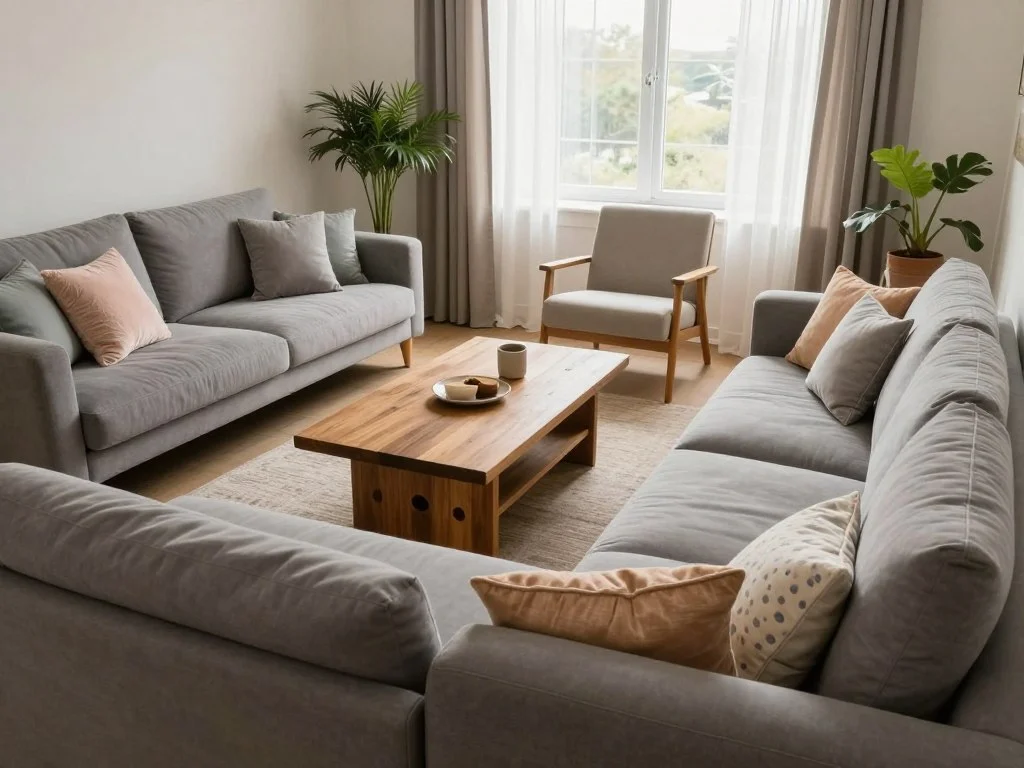
Narrow living rooms require careful sofa and coffee table coordination, because depth becomes more critical than length. We often advise a slimmer, elongated table that aligns with the sofa and leaves a clear corridor either behind the sofa or opposite the TV wall.
Rectangular tables with rounded corners or narrow ovals are especially practical in these layouts. They give you usable surface area while still allowing people to pass without bumping into edges.
The best coffee table for a narrow room is usually no deeper than 45–50 cm, and placed so you maintain a clear straight line of movement from one end of the room to the other.
Did You Know?
Houzz Winter Trends data show ‘pop-up trundle daybeds’ up 3x and ‘vinyl record storage’ up nearly 1.5x, underlining how many people now look for compact, storage-rich furniture to pair with their coffee tables.
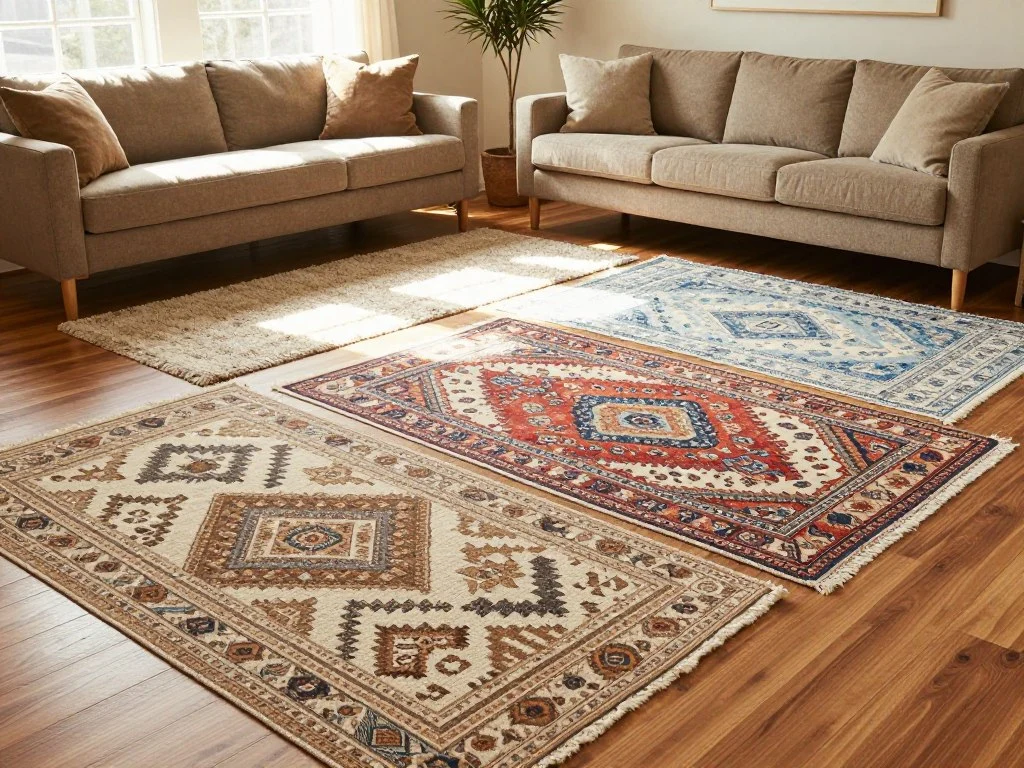
7. Matching Coffee Tables With Sofas And Rugs
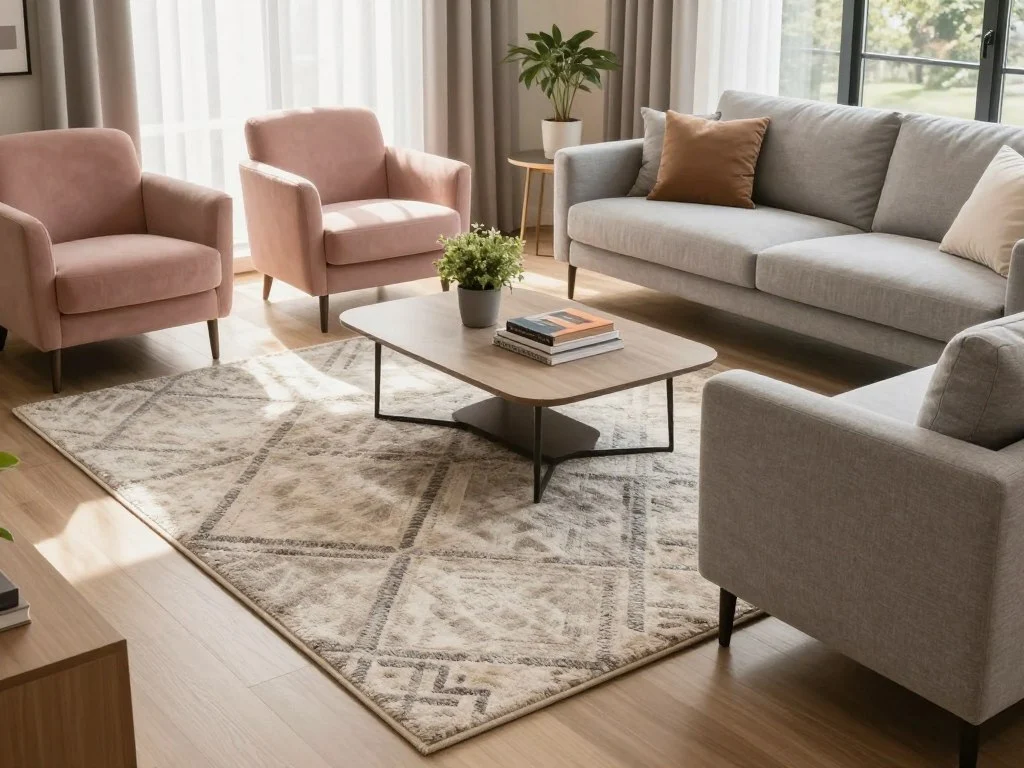
The best coffee tables not only suit the room size but also complement your sofa and rug combination. We look at contrast, proportion, and leg style to decide whether the table should blend in or stand out as a focal point.
If your sofa is very plush or deep, a more streamlined, leggy table can balance the visual weight. Conversely, a minimalist sofa often benefits from a chunkier, textured table that grounds the seating area.
- Match warm wood tables with warm-toned rugs for cohesion.
- Use black or metal bases to echo dark sofa legs or hardware.
- Scale the table so it sits comfortably within the rug’s inner area.
8. Coffee Tables For Sectionals And Corner Sofas
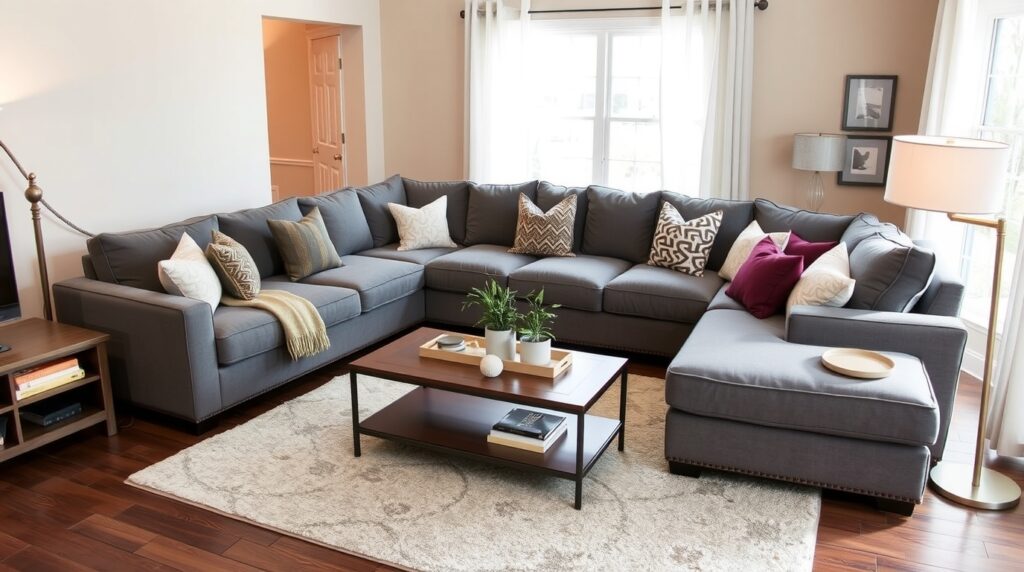
Sectional sofas create a natural “L” shape, so the best coffee tables for them are usually either large rectangles or generous squares that anchor the seating zone. Round tables can work too, but they should be wide enough that everyone can reach a part of the surface.
We recommend aligning the table with the longer side of the sectional and keeping the far corner free for foot traffic. If your sectional has a chaise, make sure the table edge sits roughly in line with the front of the chaise cushion.
- For U-shaped sectionals, consider an oversized square table.
- For L-shaped sectionals, a 120–140 cm long rectangle often works best.
- Place the table so each seat has access within a comfortable arm’s reach.
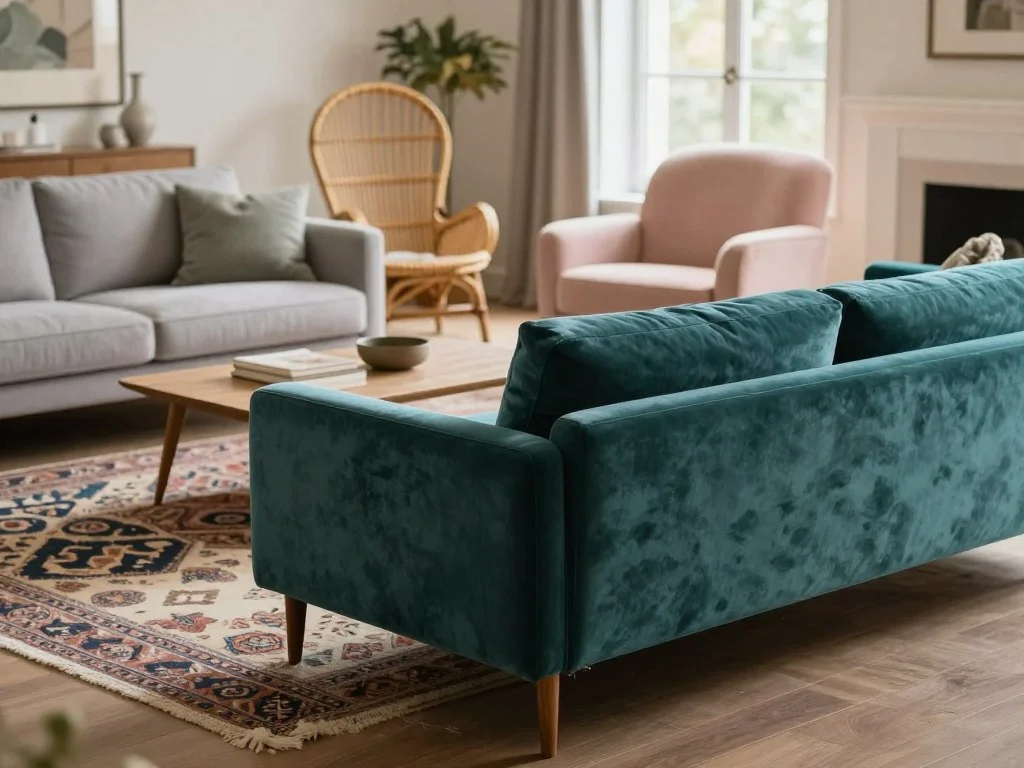
9. Styling The Top Of Your Coffee Table
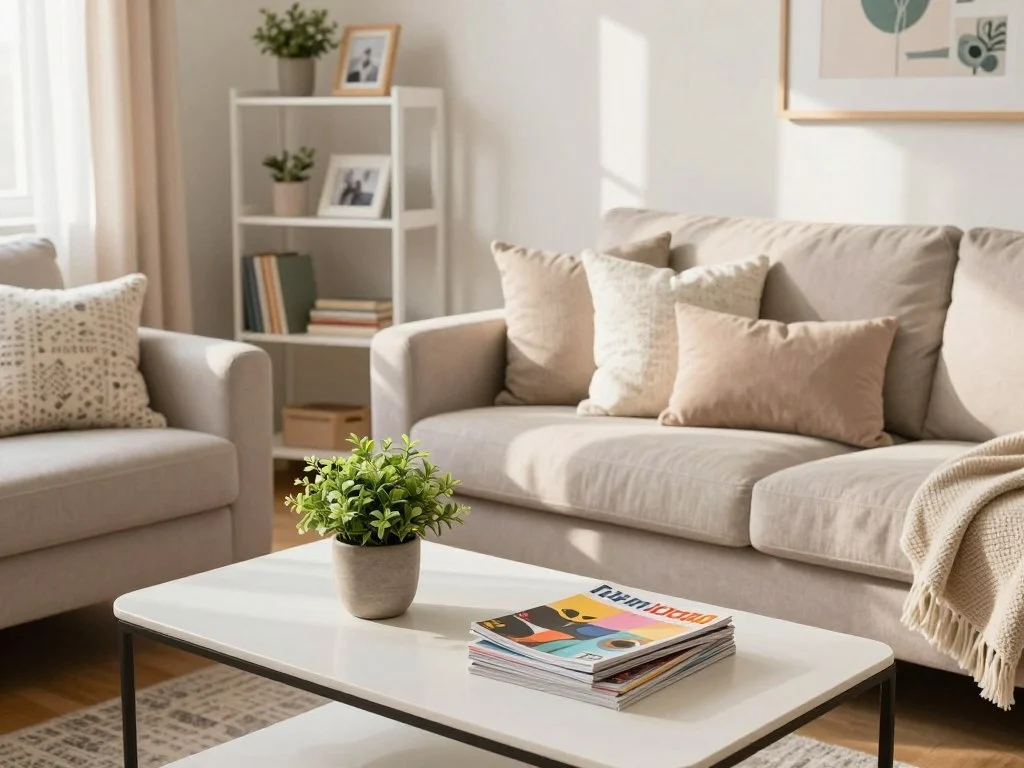
Once you have chosen the right piece, styling is what makes your coffee table feel intentional instead of cluttered. We use simple formulas that balance function and decoration so the surface still works for everyday life.
A large tray creates order and protects the finish, while stacked books add height and personality. A plant or small sculpture then adds a softer, organic touch.
- Start with a tray that covers about one third to one half of the table.
- Add 2–3 coffee table books or magazines in a neat stack.
- Introduce one living element, such as a small plant or vase of flowers.
- Leave clear space for cups, remotes, and laptops.
10. Multi‑Functional And Lift‑Top Coffee Tables
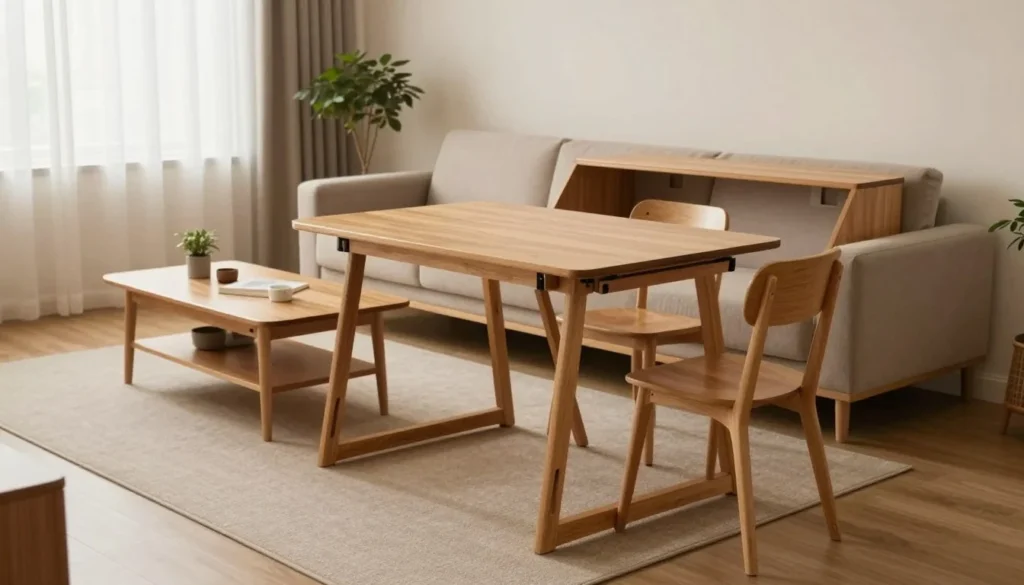
With more people working and relaxing in the same room, lift-top and multi-functional coffee tables are gaining attention. These designs let you bring the surface up to desk height for laptops or casual dining, then lower it when you are done.
We treat lift-top mechanisms as long term investments, so we advise checking weight ratings and hinge quality carefully. A sturdy base and balanced lifting action are key, especially if you plan to use the table as a regular workspace.
| Feature | Benefit In Daily Use |
|---|---|
| Lift-top surface | Comfortable typing height for laptops and notebooks. |
| Hidden compartment | Conceals chargers, remotes, and stationery. |
| Side shelves | Keeps decor items visible while the main surface stays clear. |
11. Seasonal And Festive Coffee Table Setups
Your coffee table is also the easiest place to introduce seasonal decor, from winter candles to small festive arrangements. We like to keep the base styling simple, then layer temporary pieces that can be swapped out after the season ends.
A small tray of ornaments, a scented candle, or a miniature arrangement can add a festive feel without overwhelming the surface. The key is to keep enough empty space for drinks and everyday use even when the table is decorated.
- Rotate a small set of decor items throughout the year instead of buying new pieces each season.
- Use coasters and mats to protect your coffee table finish from wax and water marks.
- Choose low-profile decorations so they do not block the TV or conversation sightlines.
Conclusion
The best coffee tables balance five essentials: the right size for your layout, a material that suits your lifestyle, storage where you need it, a style that works with your sofa and rug, and a price that fits your budget. Whether you choose a classic solid table, a multi-functional lift-top, a storage ottoman, or a set of poufs and trays, the most important step is planning how you want to use your living room every day.
If you measure carefully, think about movement in the room, and prioritise function alongside style, your coffee table will not just fill a gap in front of the sofa, it will support how you read, work, gather, and relax at home for years to come.