Built-in storage as a design feature is one of the smartest investments you can make in your home, and the numbers back it up: 72% of homebuyers rank built-in storage among the top three features influencing their purchase decision. That means your storage choices aren’t just about keeping things tidy — they’re shaping how your home looks, feels, and even sells.
Key Takeaways
| Question | Answer |
|---|---|
| What is built-in storage as a design feature? | It refers to storage solutions — like shelving, cabinets, and wall units — that are designed to look like a permanent, intentional part of your architecture rather than an afterthought. |
| Which rooms benefit most from built-in storage? | Living rooms, bedrooms, home offices, kitchens, and entryways all benefit significantly. Storage walls are especially impactful in living spaces. |
| Does built-in storage add home value? | Yes. Homes with custom built-ins can sell for a 2% to 5% premium over similar homes without them, making it one of the most financially rewarding design choices. |
| Is built-in storage expensive to install? | Costs vary widely. Minor built-in projects offer an ROI of 50% to 80%, making them a smart spend even on a moderate budget. |
| What’s the difference between built-in and freestanding storage? | Built-ins are fixed to the walls or structure of the room, creating a seamless, architectural look. Freestanding units are moveable but rarely match the same visual polish. |
| Can built-in storage work in small rooms? | Absolutely. Floor-to-ceiling built-ins actually make small rooms feel larger by drawing the eye upward and keeping surfaces clear. |
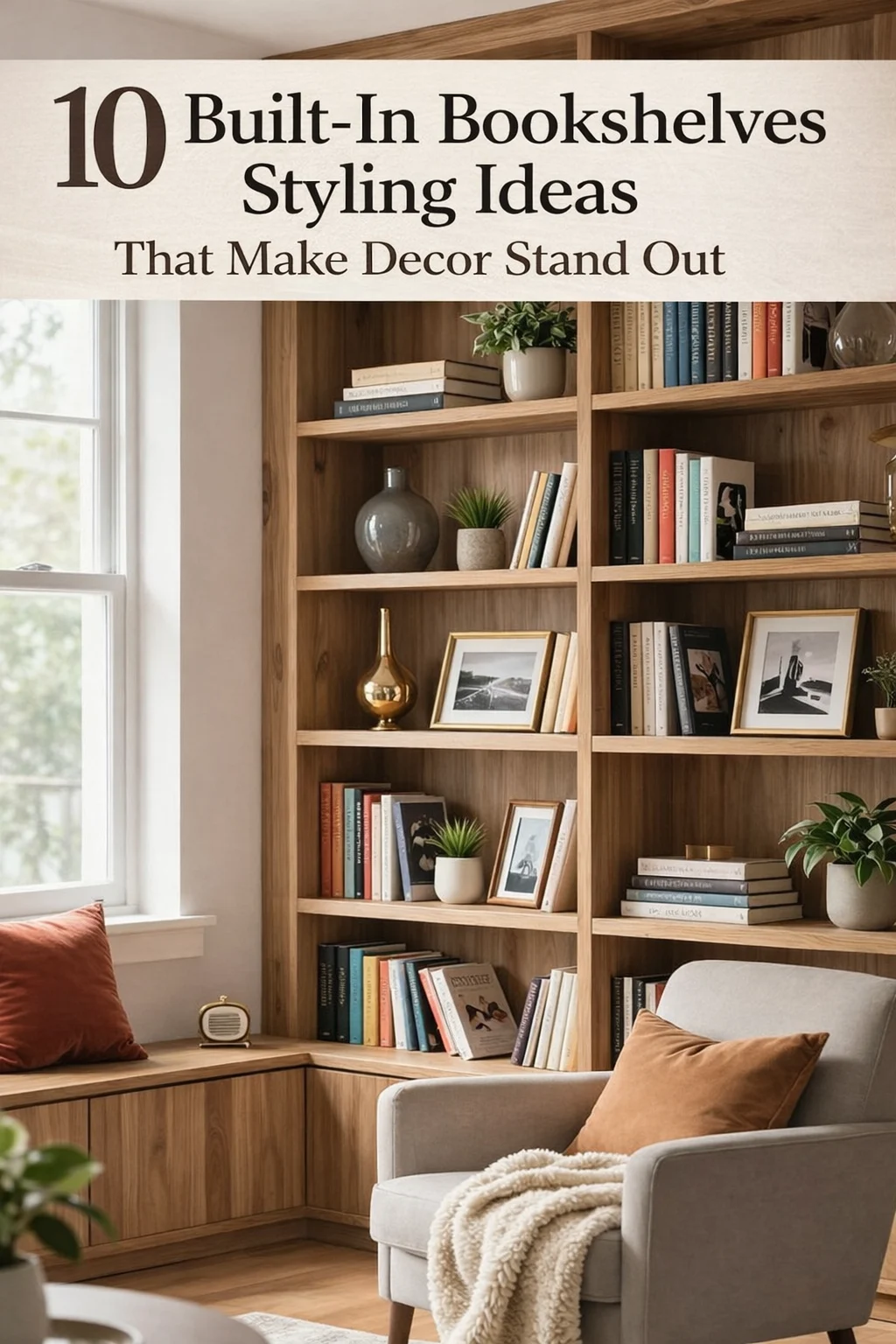
| How do I style built-in shelves? | Mix books, plants, objects, and closed storage boxes. Our built-in bookshelves styling guide covers ten proven approaches. |
What Makes Built-In Storage a Design Feature (Not Just Clutter Control)
There’s a real difference between storage that hides your stuff and storage that makes a room. Built-in storage as a design feature does both at the same time.
When shelving, cabinetry, or wall units are designed as part of the room’s architecture — flush to the walls, running floor to ceiling, finished in matching paint or trim — they stop being furniture and start being the room itself. That’s the shift that matters.
Freestanding bookshelves and cube units do a job. But built-ins create an atmosphere. They give a room intention, structure, and a sense of permanence that can’t be replicated with something from flat-pack.
In 2026, this distinction is driving major decisions in home design. Homeowners are increasingly choosing to invest in storage that works with their walls rather than against them — and the results speak for themselves.
Best for Living Rooms: Built-In Storage Walls That Look Like They Belong
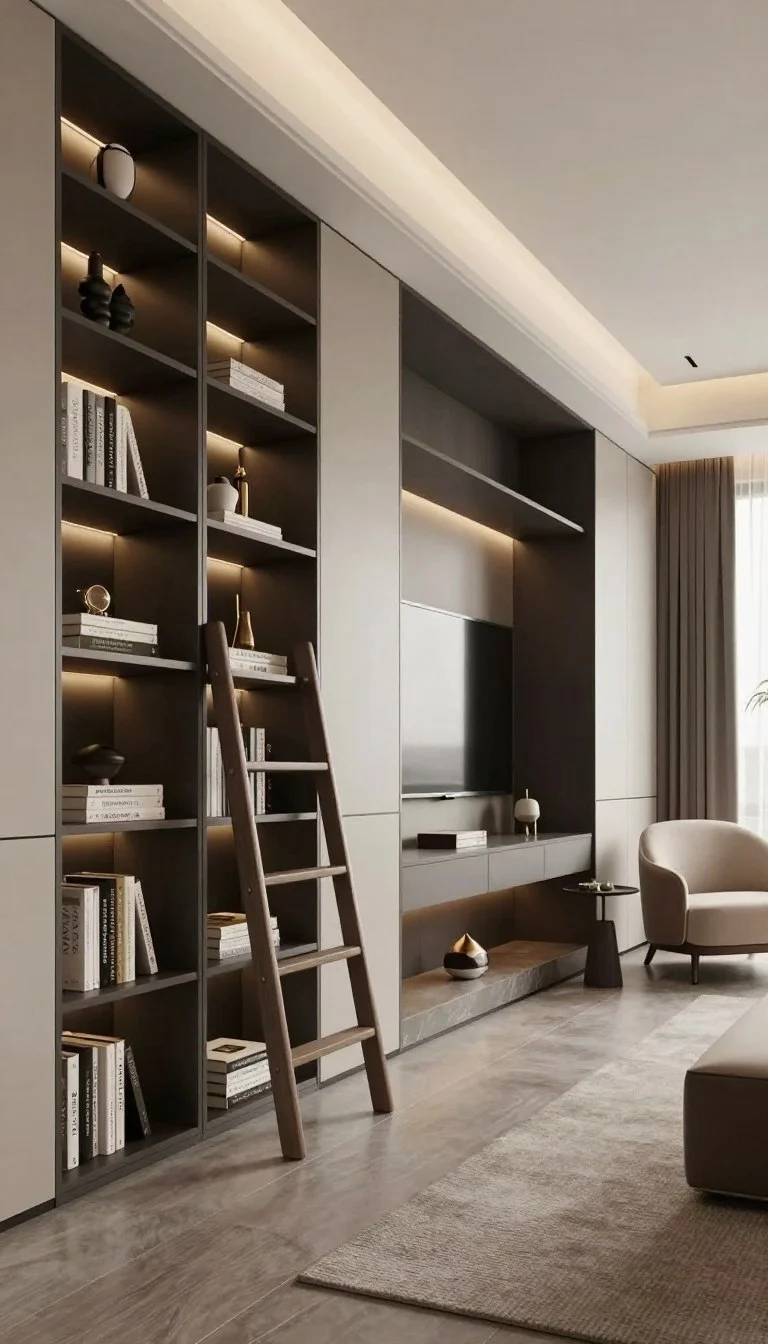
The living room is where built-in storage as a design feature really gets to shine. A floor-to-ceiling media wall with integrated shelving around it doesn’t just hold your TV — it frames it. It creates a focal point the whole room orbits around.
This is the approach we love most for living spaces. You get the function (actual storage for books, media, decorative objects) while the architecture does the heavy lifting visually.
Here are the built-in styles that work best in a living room setting:
- Floor-to-ceiling media walls with shelving on either side of the TV
- Alcove shelving that fits into existing recesses beside a fireplace
- Window seat storage with lift-top benches and built-in bookshelves above
- Full wall bookcases with integrated closed cabinets at the base
- Entertainment units with concealed wiring and cable management built in
If you’re starting to plan a living room storage wall, our deep-dive on stunning built-in storage walls that upgrade any home is a great place to start.
“Built-in storage solutions can turn a dream into reality. These custom features do more than just hold books or photos — they’re a design statement that maximizes space and elevates aesthetics.”
Best for Bedrooms: Built-In Wardrobe Walls and Headboard Storage
Bedrooms are where clutter quietly builds up the most — and where built-in storage as a design feature makes the biggest difference to how a room feels day to day.
A full built-in wardrobe wall is the gold standard. Done well, it looks like the room was designed around it. Doors that reach the ceiling remove that awkward visual gap. Handles (or handleless push-to-open fronts) keep the surface clean and calm.
Beyond the wardrobe, these built-in approaches work beautifully in bedrooms:
- Built-in bedside niches recessed into the wall to replace bedside tables entirely
- Headboard storage units with integrated shelving and reading light recesses
- Under-window storage benches with lift-top compartments
- Walk-in wardrobe walls with custom drawer stacks, hanging sections, and shoe shelving
The best bedroom built-ins keep the room feeling spacious and clear, not packed. Closed-door sections handle the functional storage. Open shelving handles the decorative pieces.
Did You Know?
The average American spends nearly 17 hours per year searching for lost items in cluttered living spaces.
Source: grandmashousediy.com
Best for Home Offices: Built-In Storage as a Design Feature That Actually Works
The home office is probably the room where built-in storage as a design feature has the most impact on daily life. A chaotic desk surrounded by loose papers and tangled cables is genuinely harder to work in. A built-in wall unit with an integrated desk, shelving, and concealed filing changes everything about how that space feels and functions.
In 2026, demand for home office built-ins is growing fast. Cabinet designs with integrated charging stations and cable management are growing at 6.4% annually as more people work from home full-time and want a space that looks professional on video calls too.
The best home office built-in configurations include:
- Desk-and-shelving wall units with the workspace built into the lower third and open shelving above
- Murphy bed combos that fold down from a built-in wall, turning the office back into a guest room
- Filing and cabinet towers flanking a central desk area with closed storage for equipment
- Integrated cable management channels running through the built-in structure
A well-designed office built-in removes visual noise. Closed doors hide the printer, the router, and the stack of documents that would otherwise live on your desk. What’s left on the shelves is intentional.
Best for Kitchens: Built-In Pantry and Cabinet Storage Done Right
Kitchen built-ins are where practicality and beauty meet most naturally. The kitchen is a working room — everything needs a place, and everything needs to be accessible. Built-in storage as a design feature in the kitchen solves both problems at once.
76% of homeowners now add specialty built-in features like pantry cabinets and hidden storage during kitchen renovations. And it makes sense — the difference between a kitchen that feels chaotic and one that feels calm is almost always the quality and integration of its storage.
These are the kitchen built-ins that consistently deliver the biggest improvement:
- Floor-to-ceiling pantry walls with pull-out shelving systems
- Corner cabinet pull-outs that make previously dead corners fully functional
- Under-stair kitchen storage for homes with open-plan layouts
- Built-in appliance garages with retractable doors to keep surfaces clear
- Integrated spice drawers and tray dividers built into lower cabinet spaces
For more inspiration on making the most of every kitchen inch, our space-saving kitchen storage ideas guide is full of practical approaches that work in real homes.
Best for Entryways and Mudrooms: Built-In Storage That Sets the Tone
The entryway is the first room you walk into and the last one you leave. It’s also the room that tends to collect the most everyday chaos — shoes, bags, coats, keys, and everything in between.
Built-in storage as a design feature in an entryway or mudroom does something specific: it gives every object a home. When every object has a home, the hallway stays clear. And when the hallway stays clear, the whole house feels calmer.
The most effective entryway built-in layouts include:
- Cubby systems with individual sections for each family member
- Built-in bench with lift storage underneath for shoes and sports gear
- Coat hook rails built into a panelled wall unit with a mirror above
- Key and mail organizer niches recessed into the wall beside the front door
- Full-length built-in closets with hanging space and shoe shelving
Even in a small entryway, a thoughtfully designed built-in wall unit with hooks, shelves, and a bench can completely change how the space feels to come home to.
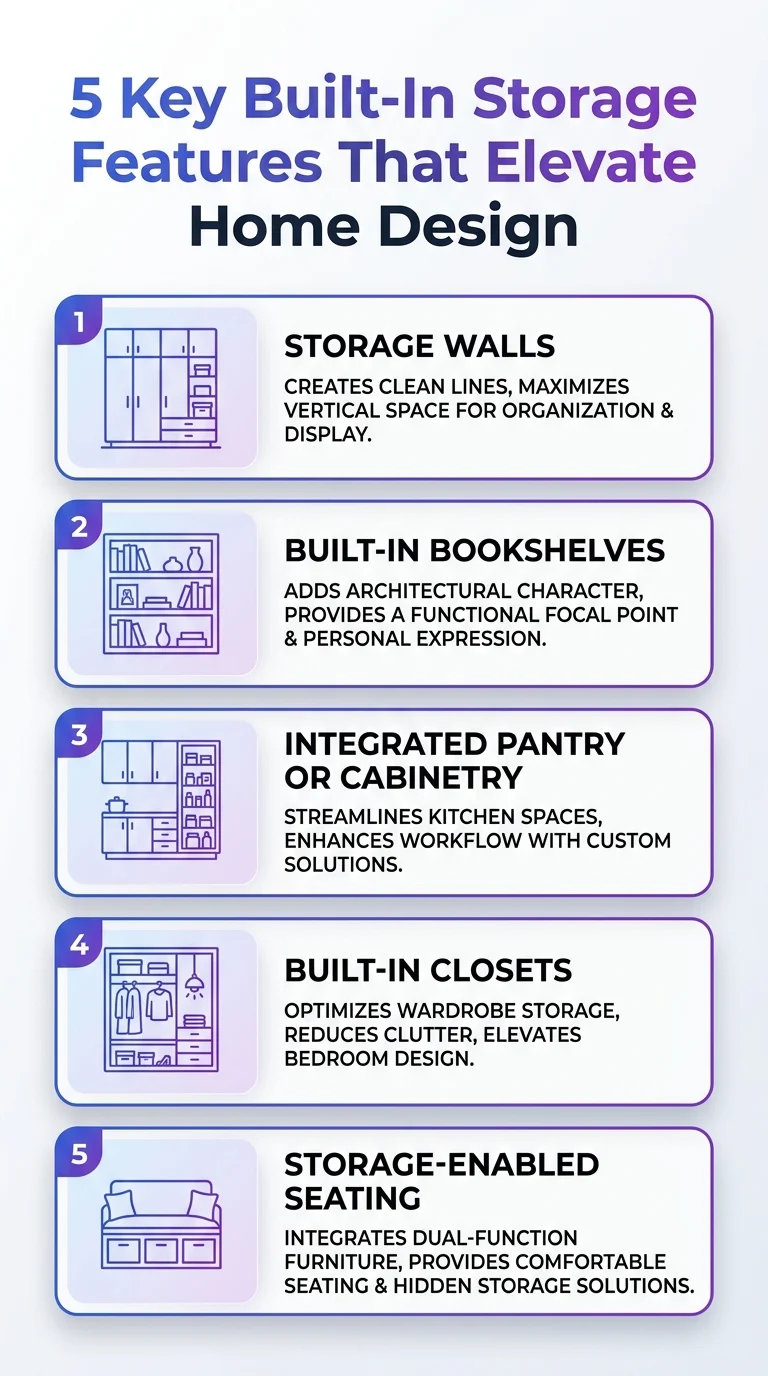
Discover five built-in storage features that elevate your home’s design. This infographic highlights practical, stylish storage solutions.
Best for Bathrooms: Recessed Built-In Storage as a Design Feature
Bathrooms are small. Every centimetre of space counts. And nothing opens up a bathroom faster than recessed built-in storage — shelving or niches that sit inside the wall rather than projecting out from it.
A recessed shower niche is the most common example, and it’s one of the highest-impact built-in moves you can make in a wet room. Instead of a shower caddy hanging off the taps, you get a clean, tiled shelf that looks like it grew out of the wall.
Beyond the shower niche, these bathroom built-ins consistently deliver:
- Built-in vanity walls with recessed medicine cabinets replacing mirror-only versions
- Freestanding-style built-in vanities with integrated toe-kick drawers
- Between-stud shelving in the wall beside the toilet for toilet roll and toiletries
- Built-in linen cupboards with full-height doors to hide towels and cleaning supplies
The key in bathrooms is to think about what’s sitting on every surface and ask: where could this live inside the architecture instead?
How to Style Built-In Bookshelves and Open Shelving
Getting the built-in storage installed is step one. Styling it well is step two — and it’s where most people get stuck. Open shelving that’s either too packed or too sparse both miss the mark.
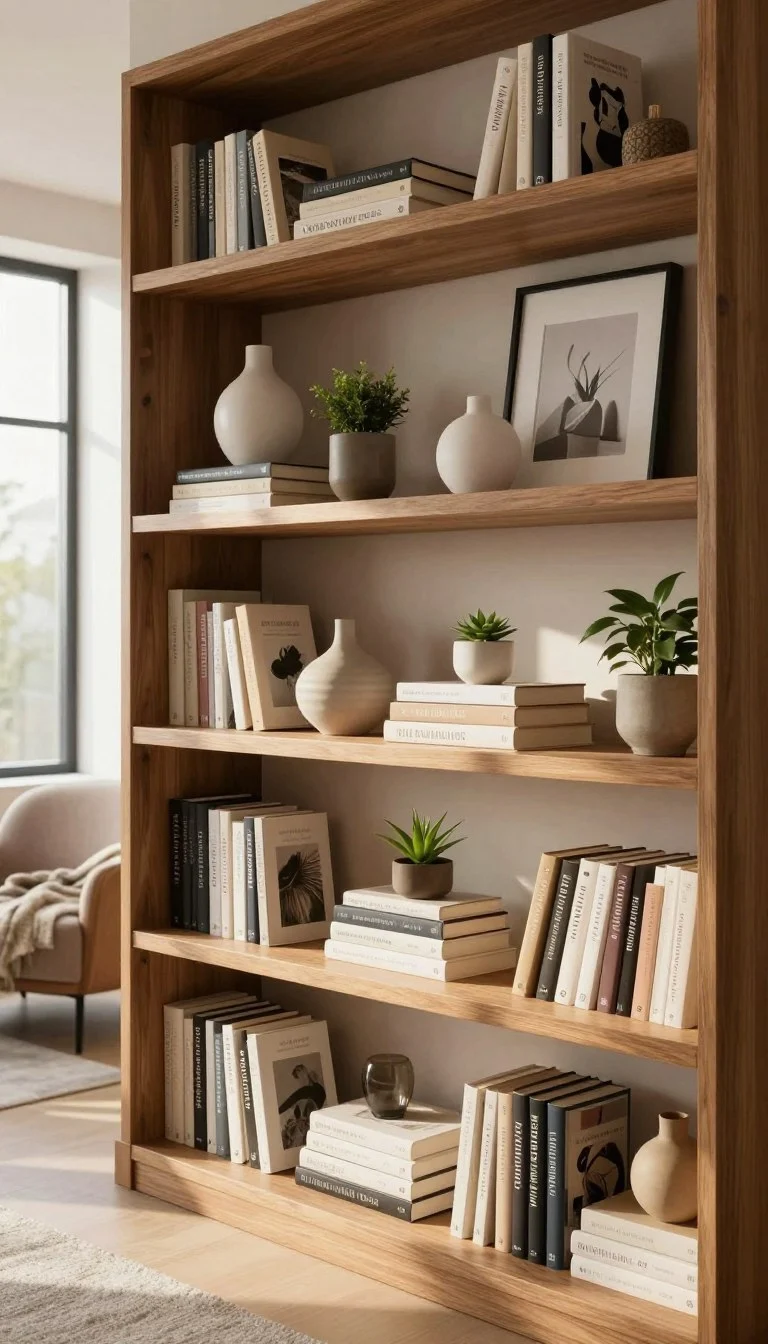
Built-in bookshelves work best when they balance three types of objects: functional (books, files, baskets), decorative (plants, ceramics, art), and negative space (deliberate empty areas that let the eye rest).
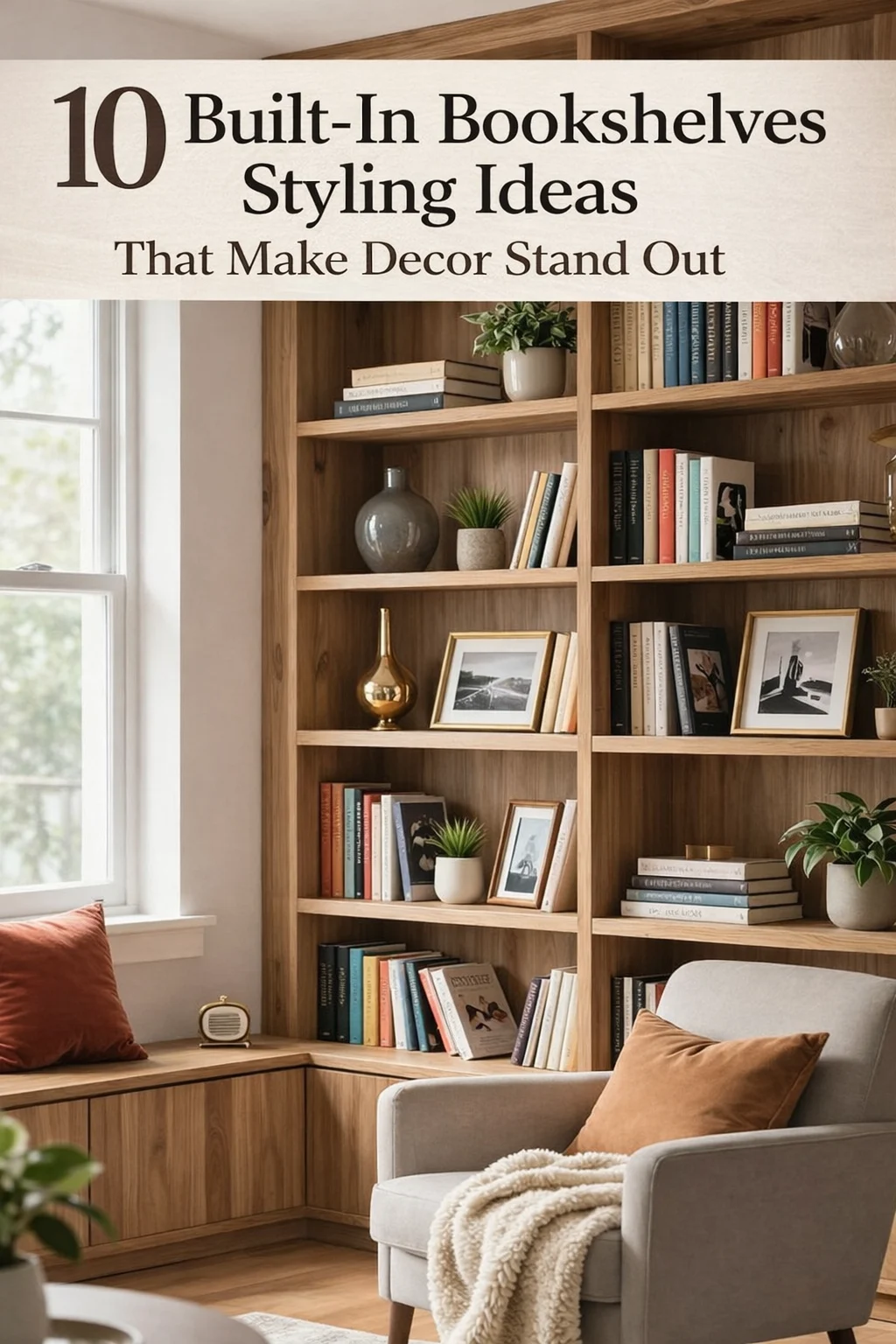
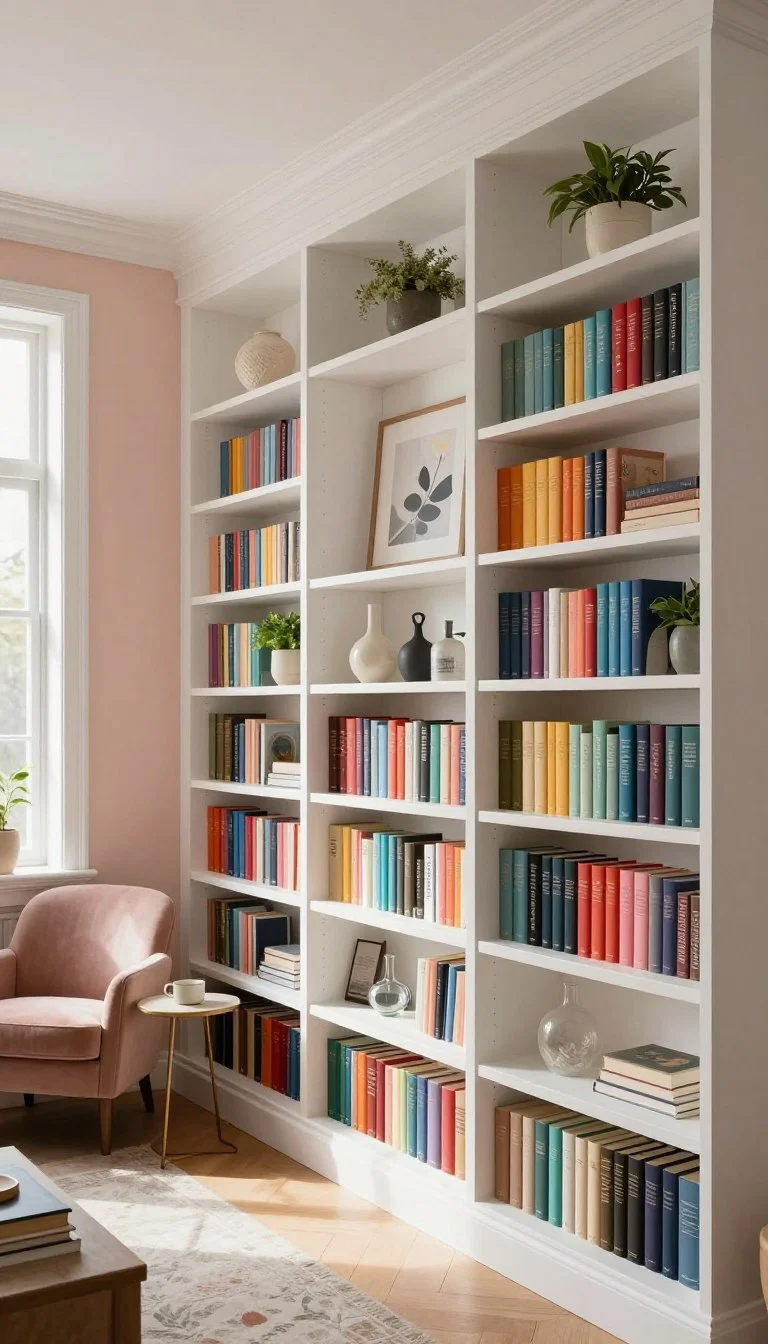
Some specific styling approaches that actually work:
- Colour-block books arranged by spine colour for a graphic, intentional look
- Symmetrical layouts on either side of a focal point like a fireplace or TV
- Closed storage at the base of built-in units to hide the practical stuff
- One large statement object per shelf section rather than many small items
- Trailing plants to soften the lines and add organic texture
We’ve pulled together ten brilliant styling approaches in our built-in bookshelves styling ideas guide if you want to get into the detail.
Built-In Storage as a Design Feature That Adds Real Home Value
We’ve talked about how built-in storage looks and feels. Now let’s talk about what it’s worth.
The financial case for treating built-in storage as a design feature is genuinely compelling. Minor interior remodelling projects focused on improved storage and layout yield a return on investment of 50% to 80%. For a room that needed the work anyway, that’s a significant number.
And homebuyers notice. The walk-in pantry, once considered a luxury, has become a top-priority feature for modern families. 65% of buyers in recent years identified a walk-in pantry as their most-wanted kitchen storage feature. When buyers can see that storage has been thoughtfully designed into a home’s architecture, they read it as quality.
Did You Know?
Homes featuring custom built-ins in living rooms and offices can sell for a 2% to 5% price premium compared to similar homes without them. On a $400,000 home, that’s an $8,000 to $20,000 difference.
Source: pgcbuilding.com
The global home built-in closet market alone is projected to reach $29.52 billion by the end of 2026. That level of market growth reflects a genuine shift in how people prioritise storage in their homes — it’s no longer a box to tick, it’s a feature to design for.
The Psychology Behind Built-In Storage as a Design Feature
There’s a real reason a tidy, well-organised room just feels better to be in. It’s not just visual preference — it’s neurological. 63% of Americans report that home reorganisation and optimised storage serve as a significant de-stressor. And over 80% of people experience stress and anxiety directly linked to possessions that don’t have a designated home.
Built-in storage as a design feature addresses this at the root. When storage is designed into the architecture, every object has a place. The visual noise drops. The brain stops working to process the clutter and starts actually relaxing.
This is why so many people who invest in built-ins describe the result not just as “tidier” but as “calmer.” The room feels different to be in, not just different to look at.
42% of people report feeling overwhelmed by their home’s mess, with visual clutter contributing to reduced focus. A built-in wall unit with closed-door sections removes that clutter from view entirely, not by hiding a problem, but by solving it architecturally.
How to Plan Your Built-In Storage Project From Scratch
Planning built-in storage as a design feature well before anything gets built is what separates a result you’ll love from one you’ll live with. Here’s how we’d approach it.
Step 1: Audit what you actually need to store. Before you think about aesthetics, list out every category of item that needs a home in the room. Books, media, toys, sports gear, paperwork — get specific.
Step 2: Measure the wall space you’re working with. Note the full width, height to ceiling, and any interruptions (light switches, radiators, windows) that will affect placement.
Step 3: Decide on your mix of open and closed storage. Open shelving looks great but requires more curation. Closed cabinet sections are more forgiving but need good internal organisation. Most great built-ins use both.
Step 4: Think about lighting. Integrated shelf lighting — either LED strips or small spotlights — takes a built-in from functional to genuinely beautiful. It’s worth planning at the design stage rather than adding it later.
Step 5: Choose a finish that works with the room. Painted built-ins in the same colour as the walls feel seamless and architectural. A contrasting finish can make the unit a feature in its own right. Both work — it depends on the look you’re after.
If you’re working with a smaller living room and need to think about how storage fits into the layout overall, our guide to small living room furniture layouts that maximise space is a useful companion read.
Conclusion
Built-in storage as a design feature is one of those home decisions that keeps paying off. It makes the room look more considered, it makes daily life calmer, and it adds real, measurable value to the property. In 2026, it’s not a niche design choice — it’s a mainstream priority for homeowners, renovators, and buyers alike.
Whether you’re planning a full living room storage wall, a built-in wardrobe for the bedroom, or a simple set of alcove shelves in the hallway, the principle is the same: design the storage into the architecture, and the room takes care of itself.
We believe your home should work as hard as it looks. And built-in storage, done right, is exactly that. Purposeful, beautiful, and quietly brilliant every single day.
Ready to explore more? Start with our guide to stunning built-in storage walls that instantly upgrade any home and see what’s possible for your space.